
Dementia Training
Dementia Training
The diagnosis of dementia involves not only the individual but also family and friends, it is an emotional time as people experience a range of emotions and problems but we aim to help educate those involved to ensure that a better quality of life can exist for dementia suffers.
- Overview
- Course Content
- Other Courses
All of our training days are designed to suit the individual needs of your organisation, and can be incorporated into a full day or two half days, whilst during the day there will be regular refreshment and comfort breaks.
As more and more people tend to live longer there is now a growing need to care for the elderly in a more skilled and professional way, ensuring that our workforce has the knowledge and skills is our major aim.
The diagnosis of dementia involves not only the individual but also family and friends, it is an emotional time as people experience a range of emotions and problems but we aim to help educate those involved to ensure that a better quality of life can exist for dementia suffers.
We aim to help you develop practical skills to ensure the best quality of care can be delivered to those you care for and at the same time enable you to develop your knowledge base in relation to a person centred approach to care.Who is it aimed at?
This is for aimed at anyone who would like to improve their knowledge and understanding of the condition of dementia and how through the use of a person centred approach improves the quality of life of dementia sufferers. The training is aimed at health care workers, housing support workers, those in social care service provision, and people who care for dementia suffers in their own homes.
The aim of this training is to improve the standard of care delivered to service users by ensuring a consistent approach to care which will enable a more skilled and competent workforce to deal with the care of the older population.
This will give a general overview of what can be offered but each course can be tailored to the individual needs of your organisation and to the needs of the individual.
The training will give an overview of the term dementia and will provide an explanation to the various causes of dementia paying particular attention to Alzheimer’s disease, though other forms can be incorporated such as vascular dementia, Picks disease, dementia with Lewy bodies, Huntingdon’s disease, Parkinson’s disease etc.
The training will look at what dementias are its symptoms, the aging process and a person’s experiences of dementia.
We will look at how the brain is affected with dementia and how this links to emotions and behaviours and how this impairs a person’s ability to communicate.
Through the use of case studies we will explore how a person has difficulty with perception, memory loss, and disorientation, difficulties with language, abstract thinking, how their judgement is impaired, and how changes in behaviour can result in aggression, confusion and a change in overall character.
The training will focus on how to communicate with a person with dementia to ensure that they feel comfortable in their environment and surroundings. It is hoped that we can use our experience to educate others in developing listening skills and how things such as dysphasia can affect a person’s ability to communicate effectively.
We will focus on good team working, effective communication channels and how it is important to build up good working relationships.
Within the training we will deal with challenging and aggressive behaviour, the facts that may cause this to happen and how best to deal with it, by developing a number of techniques to respond to this type of behaviour. The training will look at concepts such as apraxia, visual agnosia, delusions and hallucinations.
The training will use case studies from practice to identify rational behind night time wandering, sleep disturbances, and other inappropriate behaviour, with a suggested range of possible interventions.
The training will also look at physical aspects of dementia and how we can help individuals with activities of daily living such as bathing, eating, dressing and at the same time maintaining their privacy and dignity.
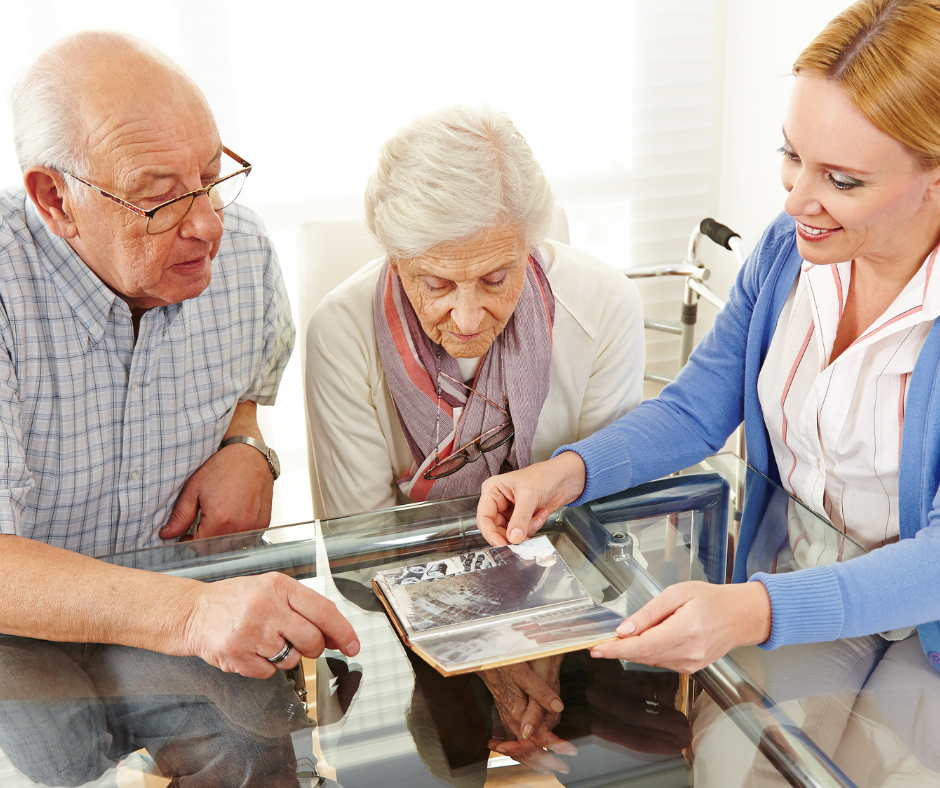
The training will also look at the various therapies and interventions that can help improve a person’s quality of life such as reminiscence therapy assistive technology.
View First Aid Training Course >>
View In House Training Course >>
Additional Courses we offer...
Right Mind Training can offer a variety of courses to suit your business and specialises in the the care industry.
We offer the following:
Effective Care Planning which will help understand the requirements of the Care Quality Commission and enable you to gain an understanding of the new domains that you are inspected against.
- Risk Assessment
- Safeguarding
- Medication Awareness
- Understanding Challenging Behaviour
- Understanding Diabetes
- Understanding the Mental Capacity Act 2005
- Deprivation of Liberty

Tony Gill
Professor
Dr Anthony Gill PhD, MSc, BSc (Hons), Dip Nursing, PGCE, RMN, has extensive knowledge of working in the care sector with over 30 years’ experience